
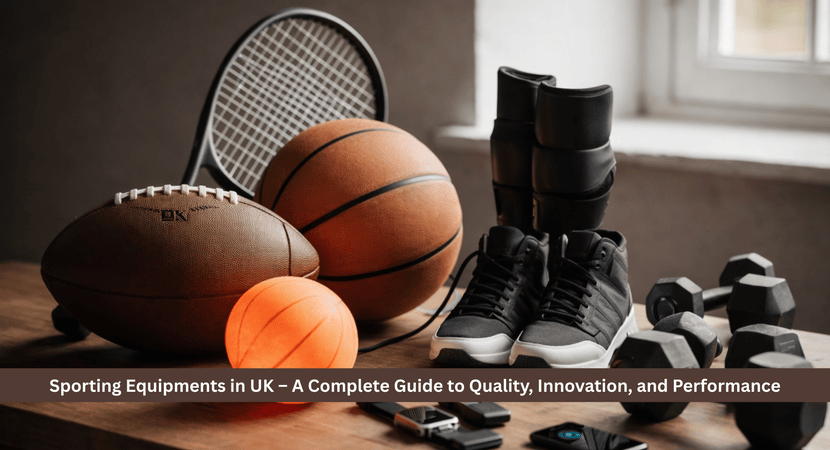
The United Kingdom has a deep-rooted sporting culture that spans centuries, from football and cricket to rugby, tennis, athletics, and emerging fitness trends. With millions of people actively participating in sports and physical activities, the demand for high-quality sporting equipments in UK continues to grow rapidly. Whether it’s professional athletes, school teams, fitness enthusiasts, or recreational players, the need for reliable, durable, and performance-driven sporting equipment is essential.
In this comprehensive guide, we explore the sporting equipment market in the UK, popular sports categories, types of equipment available, quality standards, manufacturing trends, sustainability efforts, and how to choose the right sporting equipment supplier.
Growing Demand for Sporting Equipments in UK
The UK sports industry is one of the most developed in Europe. Increased awareness of health and fitness, government initiatives promoting active lifestyles, and the popularity of sports leagues such as the Premier League have fueled demand for sporting equipment nationwide.
Key drivers of market growth include:
-
Rising participation in school and community sports
-
Expansion of gyms, fitness studios, and training academies
-
Growth in home fitness and outdoor sports activities
-
Increased investment in professional sports infrastructure
As a result, the market for sporting equipments in UK is diverse, competitive, and innovation-driven.
Popular Sports and Their Equipment in the UK
Football Equipment
Football is the most popular sport in the UK. Essential football equipment includes:
-
Footballs (training and match quality)
-
Goalposts and nets
-
Shin guards
-
Training cones and agility ladders
-
Football boots and protective gear
From grassroots clubs to professional teams, football equipment remains the highest-demand category.
Cricket Equipment
Cricket holds a prestigious position in British sports culture. Common cricket equipment includes:
-
Cricket bats (English willow and Kashmir willow)
-
Cricket balls
-
Helmets, pads, and gloves
-
Wickets and stumps
-
Practice nets
High-quality cricket equipment is crucial for safety and performance, especially at competitive levels.
Rugby Equipment
Rugby union and rugby league are widely played across the UK. Rugby equipment includes:
-
Rugby balls
-
Headguards and mouthguards
-
Tackle bags and training shields
-
Goalposts and protective padding
Durability and safety are top priorities for rugby equipment manufacturers and suppliers.
Gym and Fitness Equipment
The fitness industry has seen massive growth in recent years. Popular gym and fitness equipment includes:
-
Dumbbells and barbells
-
Resistance bands
-
Treadmills and exercise bikes
-
Kettlebells and weight plates
-
Yoga mats and foam rollers
Both commercial gyms and home users contribute significantly to this segment of sporting equipments in UK.
Athletics and Outdoor Sports Equipment
Athletics, running, cycling, and outdoor sports are gaining popularity. Equipment includes:
-
Running tracks and hurdles
-
Javelins, shot puts, and discus
-
Cycling helmets and accessories
-
Camping and adventure sports gear
Outdoor fitness trends have expanded the market beyond traditional indoor sports.
Quality Standards for Sporting Equipments in UK
The UK places strong emphasis on quality, safety, and compliance. Sporting equipment sold in the UK must meet strict regulations and certifications, including:
-
UKCA and CE marking
-
British Standards (BS)
-
ISO quality certifications
-
Safety and material compliance requirements
These standards ensure that sporting equipment is safe, reliable, and suitable for both amateur and professional use.
Materials Used in Sporting Equipments
Modern sporting equipment in the UK is manufactured using advanced materials to enhance performance and durability, such as:
-
High-grade synthetic fabrics
-
Carbon fiber and fiberglass
-
Rubber and EVA foam
-
Stainless steel and aluminum alloys
-
Eco-friendly and recycled materials
Material innovation plays a key role in improving comfort, safety, and longevity.
Manufacturing and Supply Chain Trends
The sporting equipment supply chain in the UK includes both local manufacturers and international suppliers. Many UK businesses import equipment while focusing on branding, quality control, and distribution.
Key trends include:
-
Custom and private-label sporting equipment
-
Technologically enhanced gear (smart equipment)
-
Lightweight and ergonomic designs
-
Faster production cycles and global sourcing
Manufacturers are increasingly investing in R&D to stay competitive in the UK market.
Sustainability in Sporting Equipments in UK
Sustainability is becoming a major focus in the UK sports industry. Consumers and organizations are demanding eco-friendly sporting equipment that reduces environmental impact.
Sustainable practices include:
-
Use of recycled materials
-
Reduction of plastic packaging
-
Ethical manufacturing processes
-
Long-lasting and reusable equipment designs
Eco-conscious sporting equipment brands are gaining trust and popularity across the UK.
Choosing the Right Sporting Equipment Supplier in the UK
When selecting a sporting equipment supplier, buyers should consider:
-
Product quality and certifications
-
Customization and branding options
-
Competitive pricing
-
Delivery timelines
-
After-sales support
Schools, clubs, gyms, and retailers benefit from working with suppliers who understand UK regulations and customer expectations.
Wholesale and Custom Sporting Equipments in UK
Wholesale sporting equipment is widely used by:
-
Sports retailers
-
Educational institutions
-
Fitness centers
-
Professional sports clubs
Custom sporting equipment, including branded balls, kits, and training gear, is especially popular for teams and organizations looking to build a strong identity.
Role of Technology in Sporting Equipment
Technology has transformed sporting equipment performance. Innovations include:
-
Smart fitness trackers and wearables
-
Shock-absorbing materials
-
Aerodynamic equipment designs
-
Performance monitoring sensors
These advancements help athletes train smarter and reduce the risk of injury.
Future of Sporting Equipments in UK
The future of sporting equipments in UK looks promising, driven by innovation, sustainability, and increasing sports participation. The market is expected to continue expanding as fitness becomes a lifestyle choice rather than just a hobby.
Emerging trends include:
-
AI-integrated sports gear
-
Sustainable manufacturing solutions
-
Personalized equipment designs
-
Growth in e-commerce sports retail
Conclusion
The market for sporting equipments in UK is diverse, dynamic, and continuously evolving. From football and cricket to gym fitness and outdoor sports, high-quality equipment plays a crucial role in enhancing performance, safety, and enjoyment. With strict quality standards, growing sustainability initiatives, and technological innovation, the UK remains a leading destination for premium sporting equipment.